Menu




A bus accident can injure passengers, pedestrians, cyclists, and occupants of other vehicles. Whether the crash involved a school bus, public transit bus, shuttle, or private charter, questions about the driver, bus operator, maintenance, and insurance may arise. The Law Offices of Geoffrey T. Einhorn, LLC can help Connecticut accident victims assess potential claims.
Depending on the circumstances, responsibility may involve a bus driver, private bus operator, maintenance contractor, another motorist, or a public entity. Public transportation and school-related claims may raise special legal issues. Claims against a municipality, state agency, or other government entity can involve different procedures, immunity rules, and shorter notice deadlines.
Passengers may be standing or moving through the aisle when a collision occurs, and not every bus has seat belts for every seat. Injuries can include broken bones, concussions, neck and back injuries, and soft-tissue damage. People struck outside the bus can also sustain serious injuries.
Seek medical treatment, report the incident, and collect the bus route, vehicle number, operator name, witness details, and photographs if available. Keep tickets, trip confirmations, and medical bills. Do not delay in asking about applicable claim deadlines, especially when a public bus or school district may be involved.
An investigation may review driver conduct, bus driver training, vehicle inspection and repair records, third party surveillance video, police or bus dispatch records, incident reports, police body camera footage, and testimony from passengers or witnesses. The appropriate evidence depends on whether the crash involved a privately operated or government related bus.
Yes, when the evidence supports a legal claim against a negligent party. Simply being injured aboard a bus does not automatically establish liability.
Potentially, but the responsible entities and applicable immunity and notice requirements and rules require close review.
The other driver may be responsible, and more than one party can sometimes contribute to a collision.
Depending on the facts and available insurance coverage, an injured person may seek compensation for medical bills, future treatment, lost wages, diminished earning capacity, pain and suffering, and other documented losses. Every claim is different, and compensation is not guaranteed.
Connecticut General Statutes § 52-584 generally provides a two-year limitations period measured from when an injury is sustained for most negligence claims. Different deadlines and notice requirements can apply, particularly to claims involving government entities. Speak with a Connecticut litigation attorney promptly rather than assuming the ordinary deadline applies.
If you or someone you love was injured, the Law Offices of Geoffrey T. Einhorn, LLC can help you understand your legal options in Connecticut. Contact our Wallingford office or call 203-269-1665 to request a free initial consultation.
We offer a free consultations. Contact the Law Offices of Geoffrey T. Einhorn, LLC to speak to a personal injury lawyer.
Call 203-269-1665 and let the Einhorn Law Firm help you.
Free Initial Consultation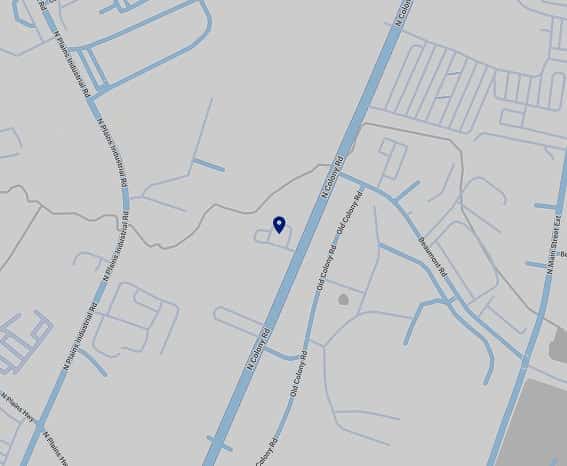
© 2026 Geoffrey T. Einhorn, LLC
| View Our Disclaimer | Privacy Policy
Law Firm Website Design by The Modern Firm