Menu




Electric bicycles offer a convenient way to commute and explore Connecticut, but riders can be seriously injured when a car fails to yield, a driver opens a door into their path, or a collision occurs at an intersection. If you were injured in an e-bike accident, the Law Offices of Geoffrey T. Einhorn, LLC can help you explore whether another party's negligence caused your injuries.
Connecticut law distinguishes three classes of qualifying electric bicycles. Class 1 bikes provide pedal assistance up to 20 mph; Class 2 bikes may use a throttle up to 20 mph; and Class 3 bikes provide pedal assistance up to 28 mph. Vehicle specifications and the location of the crash may affect which rules apply. Not every electric two-wheeled vehicle qualifies as an e-bike under state law.
A negligent motorist may be responsible for a crash involving an e-bike rider. Depending on the facts, other potentially responsible parties could include a business, property owner, or product manufacturer. The rider's actions, traffic controls, road conditions, and available evidence must also be evaluated.
Riders have little physical protection against a car or SUV. Injuries can include fractures, head trauma, road rash, shoulder injuries, and spinal damage. Get medical attention after a significant crash and follow recommended treatment.
Preserve photos of the bike, damaged components, your helmet, road layout, and involved vehicles. Save GPS or ride-app information when available and collect all witness names. Avoid repairing or discarding the bicycle before important evidence has been documented.
Coverage may depend on the type of e-bike, how the collision happened, the parties involved, and the wording of applicable policies. A motor vehicle policy, homeowner policy, or another source of insurance might be relevant in some situations; coverage should not be assumed.
Qualifying e-bikes generally do not require a driver's license, although age, equipment, and operating restrictions may apply.
Possibly. Helmet requirements and any effect on a claim depend on the rider's age, bike classification, circumstances, and the evidence concerning the injuries.
The location and right-of-way rules matter. Photos, road markings, video, and witness accounts can help establish what happened.
Depending on the facts and available insurance coverage, an injured person may seek compensation for medical bills, future treatment, lost wages, diminished earning capacity, pain and suffering, and other documented losses. Every claim is different, and compensation is not guaranteed.
Connecticut General Statutes § 52-584 generally provides a two-year limitations period measured from when an injury is sustained, for most negligence claims. Different deadlines and notice requirements can apply, particularly to claims involving government entities. Speak with an attorney promptly rather than assuming the ordinary deadline applies.
If you or someone you love was injured, the Connecticut Law Offices of Geoffrey T. Einhorn, LLC can help you understand your legal options. Contact our Wallingford office or call 203-269-1665 to request a free initial consultation.
We offer a free consultations. Contact the Law Offices of Geoffrey T. Einhorn, LLC to speak to a personal injury lawyer.
Call 203-269-1665 and let the Einhorn Law Firm help you.
Free Initial Consultation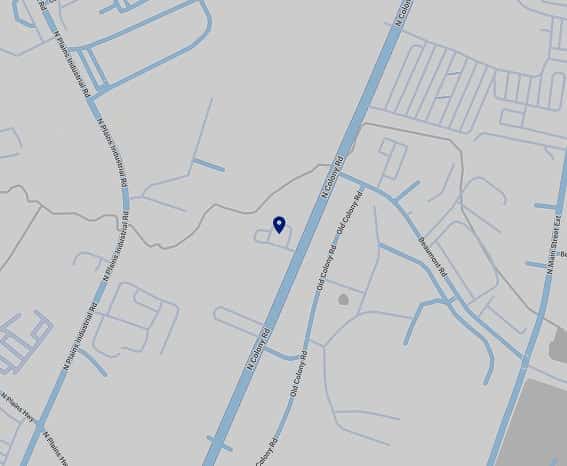
© 2026 Geoffrey T. Einhorn, LLC
| View Our Disclaimer | Privacy Policy
Law Firm Website Design by The Modern Firm